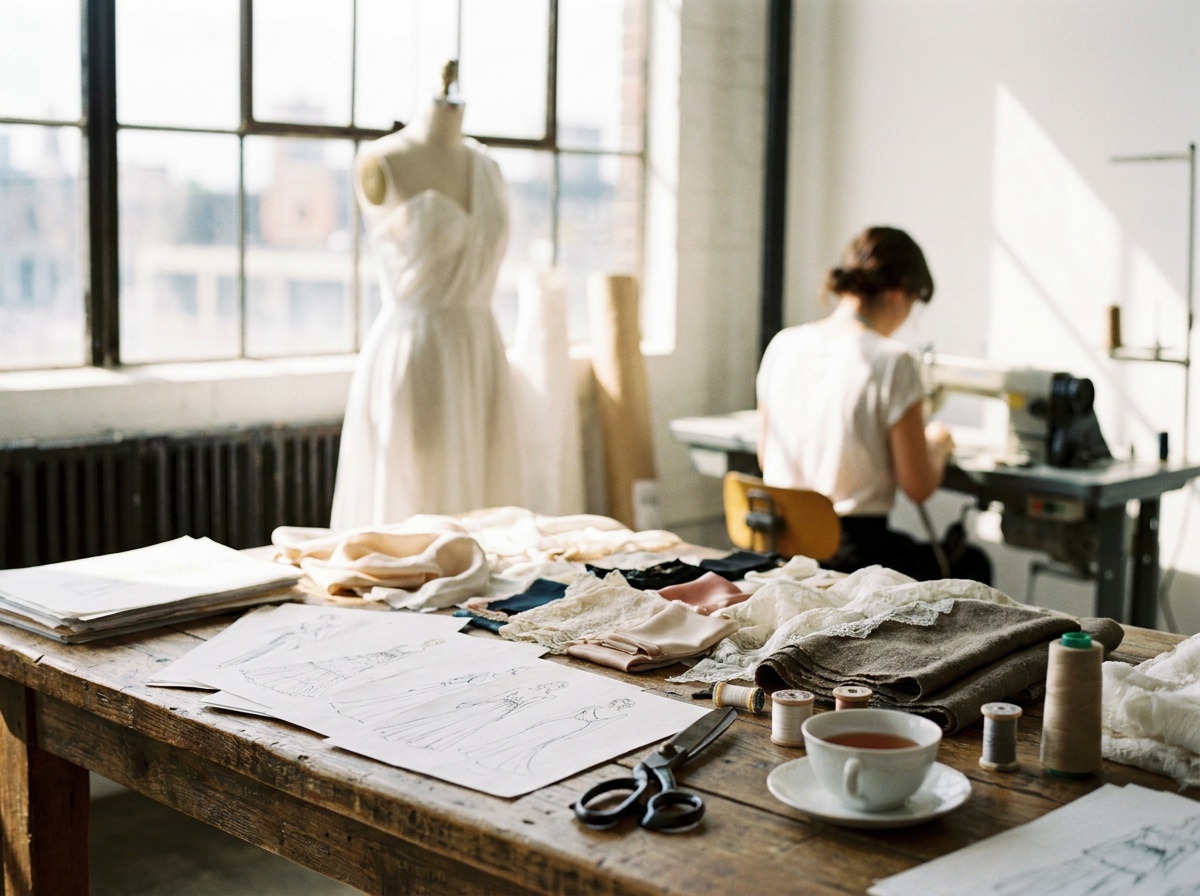
Adopt a chic, ethical look for a modern lifestyle

Responsible fashion is revolutionizing the way we dress, combining elegance with an ecological approach. This modern approach to style invites us to rethink our clothing choices to create a wardrobe that is both refined and respectful of the environment.

The basics of an ethical wardrobe

An ethical wardrobe is built around timeless, enduring pieces.
This philosophy of thoughtful purchasing allows us to combine personal style with respect for environmental values.

Select sustainable and responsible materials

Natural fabrics such as organic cotton, linen and bamboo viscose represent the foundations of responsible fashion. These noble materials offer optimal comfort while minimizing their impact on the planet. The selection of recycled textiles plays an active part in reducing waste in the fashion industry.

Identify brands committed to ethical fashion

Labels such as GOTS and Oeko-Tex guarantee respectful production.

Brands such as Veja, Maison Standards and Ekyog embody this new vision of fashion. Their commitment translates into local manufacturing, responsible materials and total transparency in their production chain.

Create elegant outfits with eco-responsible pieces

Sustainable fashion is revolutionizing the way we dress, combining refined style with respect for the environment. Eco-responsible materials, local creations and second-hand pieces enable us to build an authentic and responsible wardrobe. Find out how to create distinguished outfits with an ethical approach.

Mode

Fashion essentials for your dressing room

An ethical wardrobe is built around carefully selected timeless pieces.
Choose noble, sustainable materials such as organic cotton, linen or bamboo viscose. Vintage and second-hand clothes are an excellent alternative for finding unique pieces. Labels such as GOTS or Oeko-Tex certify the quality and ethical commitment of brands.

Style combinations for a refined look

Responsible elegance is born from the marriage of contemporary and vintage pieces. Eco-responsible basics combine harmoniously with characterful accessories sourced from thrift stores.
Customization and upcycling give your outfits a unique touch. Emerging French brands offer innovative creations that combine style and ethics. For special occasions, clothing rental offers a smart and responsible solution.

the choice of craftsmanship

Accessories and jewelry: the choice of craftsmanship

Handcrafted accessories and jewelry represent an authentic approach to eco-responsible fashion. Handcrafted creations are naturally part of a made-in-France approach, combining style and respect for the environment. This approach guarantees unique pieces, made with care and respect for ethical standards.

Local designers and their know-how

French craftsmen excel in the creation of refined accessories. Their workshops, rooted in our regions, perpetuate traditional techniques while innovating in their designs. Choosing a local creation directly supports the local economy and reduces the carbon footprint linked to transport. Local production ensures complete traceability, from the choice of materials to the final product.

Noble and recycled materials in jewelry

The use of sustainable materials is transforming contemporary jewelry. Artisans are integrating recycled elements, giving a second life to precious materials. This practice is part of a creative and responsible upcycling approach. The designers carefully select ethical raw materials, favoring short circuits and local suppliers to guarantee total transparency in their manufacturing process.

Taking care of your clothes for sustainable fashion

Creating a responsible wardrobe starts with intelligent garment care. The daily care of textile items is a fundamental element in the adoption of an eco-responsible style. This thoughtful approach not only guarantees the longevity of your garments, but is also part of an ethical and reasoned approach to consumption.

Everyday gestures to protect your clothes

Preserving clothes requires regular attention and simple actions. Respecting care labels, washing at low temperatures and using natural detergents extend the life of textiles. Proper storage, such as the use of suitable hangers and careful folding, maintains the shape and quality of garments. The choice of durable materials, such as organic cotton and linen, facilitates care while guaranteeing optimal resistance.

Repair and upcycling solutions

The creative transformation of existing garments offers an innovative alternative to fast fashion. Upcycling gives a second life to worn-out pieces by transforming them into unique, personalized creations. Alterations, mending and personalization are effective ways of maintaining clothes while expressing style. This practice is part of a slow-fashion philosophy that values quality over quantity and encourages responsible textile consumption.

Vintage and second-hand fashion: adopt a unique style

The fashion world is evolving towards responsible practices, where vintage and second-hand shine through in their authenticity. This approach combines personal style and environmental commitment, offering an elegant alternative to fast fashion. Second-hand clothes tell a unique story and allow us to create original outfits.
Where to find vintage pieces
Physical thrift stores and online platforms are goldmines for discovering fashion treasures. Specialized boutiques offer a sharp selection of retro pieces. Flea markets and garage sales also offer opportunities to find unique items. The search for second-hand clothes is part of an eco-responsible approach, reducing the environmental footprint of our wardrobe.

Personalize your finds for authentic style

Upcycling transforms existing garments into unique creations. Customization techniques, such as adding embroidery or altering cuts, give a second life to vintage pieces. This creative practice enables people to express their personalities while adopting a responsible approach to consumption. Local sewing workshops accompany this transformation, supporting French craftsmanship and the local economy.